Real or programmed drums? How to choose for your song
When samples and MIDI are enough and when it's better to record a real kit, from the perspective of a drummer and recording engineer
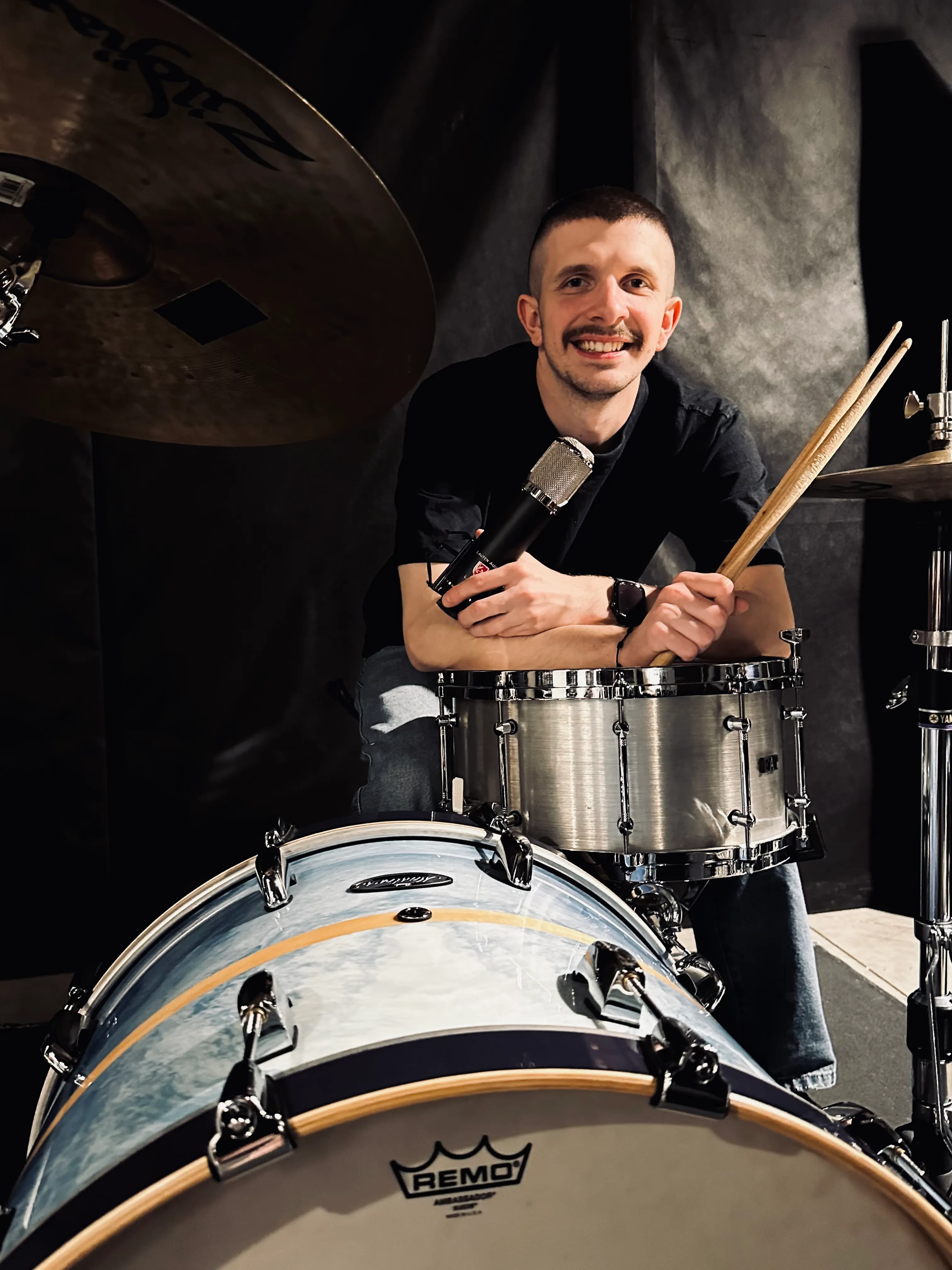
Modern drum libraries sound very good, and you can program a part without leaving home. So it’s a fair question whether recording real drums is worth it.
I’m a drummer, but I don’t think a live kit always wins. It all depends on the song.
When are programmed drums enough?
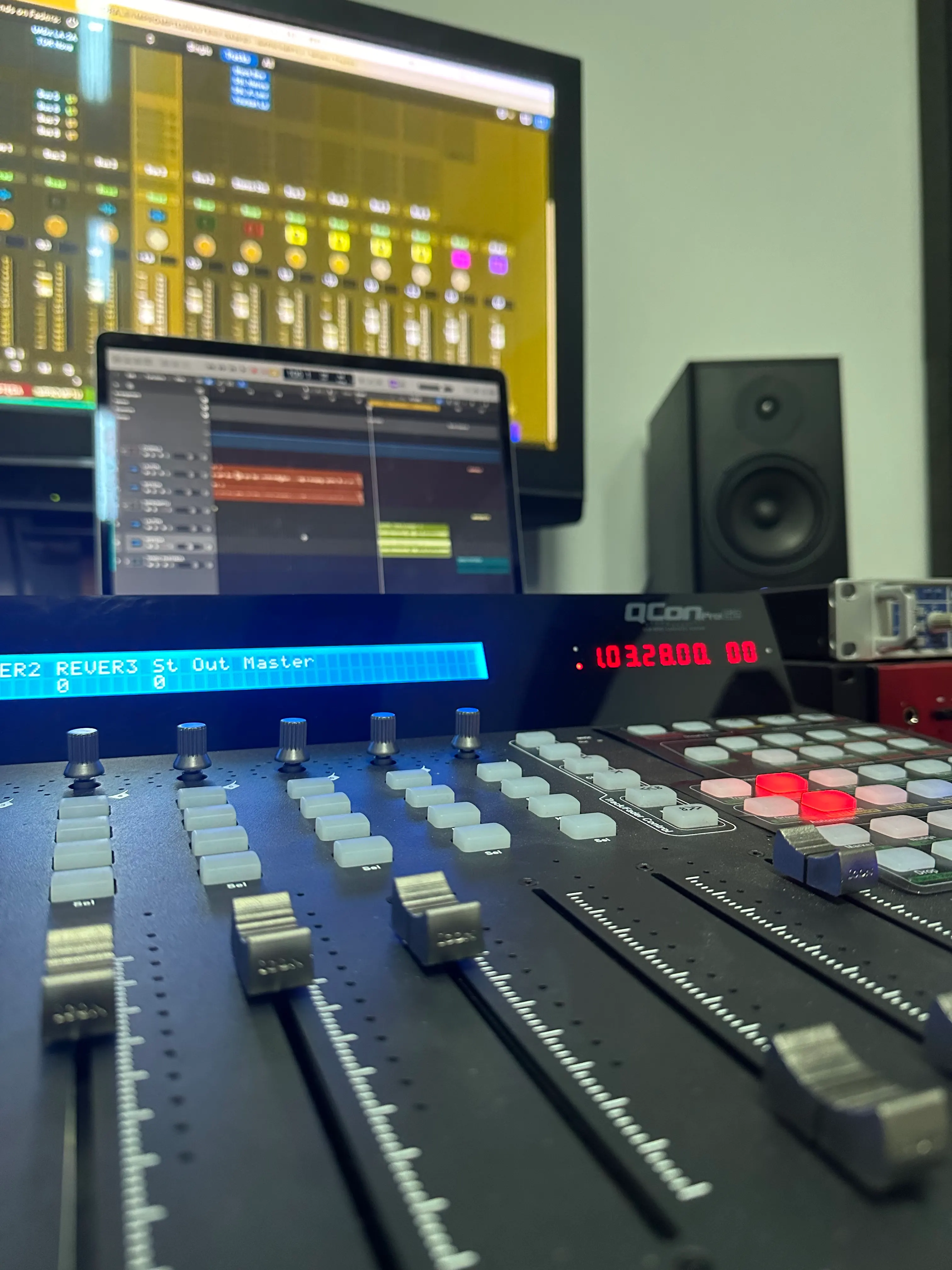
Programming works well where repetition is part of the style. That applies to much electronic, pop and hip-hop production. In those genres an even, controlled rhythm and processed sounds are often exactly what the song needs.
A MIDI part is also useful while writing. You can quickly try out tempo, form and arrangement ideas, and decide about recording later.
What do recorded drums bring?
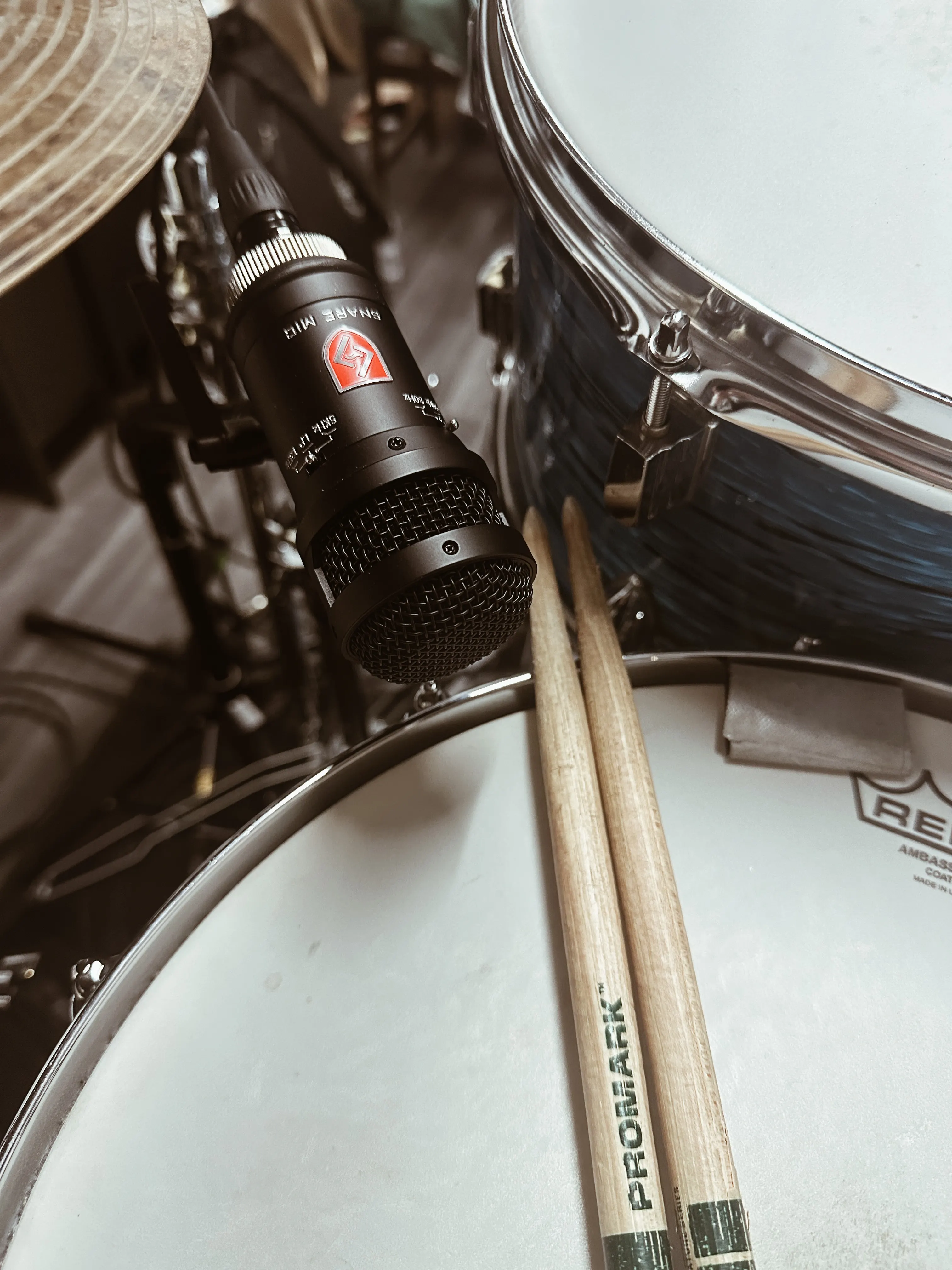
A drummer never hits twice in exactly the same way. Velocity, the spot on the head, the response of the cymbals and small differences in timing all make the part breathe with the song.
A live kit also gives you the natural space of the room and the bleed between microphones that glues the instrument together. Libraries can recreate this to a degree, but it takes a lot of work and doesn’t always sound convincing.
The biggest difference often shows in fills and dynamics. A drummer listens to the vocal and other instruments and can react to what happens in the song: play quieter in the verse, open up the chorus, leave room for an important phrase.
Three questions to help you decide
Should the song sound like a band playing? In rock, jazz, funk, soul or acoustic music, listeners usually sense an artificial part straight away.
Are the drums important in the arrangement? If there’s a lot of room for drums in the song, the performance will be very audible. With a simple beat under a dense arrangement, the difference may be smaller.
Do you already have a part that works? A good MIDI demo is a very useful starting point. It doesn’t have to be the final version.
You can combine both approaches
It doesn’t have to be one or the other. A common solution is to record a live part and add samples that reinforce selected elements, such as the kick or snare. Another option is to combine a looped electronic beat with recorded cymbals and fills.
A programmed part can also be the starting point for a drummer, who can keep what works and add dynamics and details that are hard to achieve with a mouse.
Recording drums without coming to the studio
Recording real drums doesn’t have to mean organising a session in another city. You send a demo or backing track, I record the part at C2 Studio in Poznań and deliver the finished tracks. I describe the details in the post about remote drum recording.
Not sure what’s best for your song? Send me a demo, we’ll listen to it and work out the best solution.